Bread and ButterKitchens

The Ranges

Six doors.
One workshop.

The door is the only part of a kitchen most people ever look at, so it is the decision that changes everything else. Here is what each one costs and what it is good at.

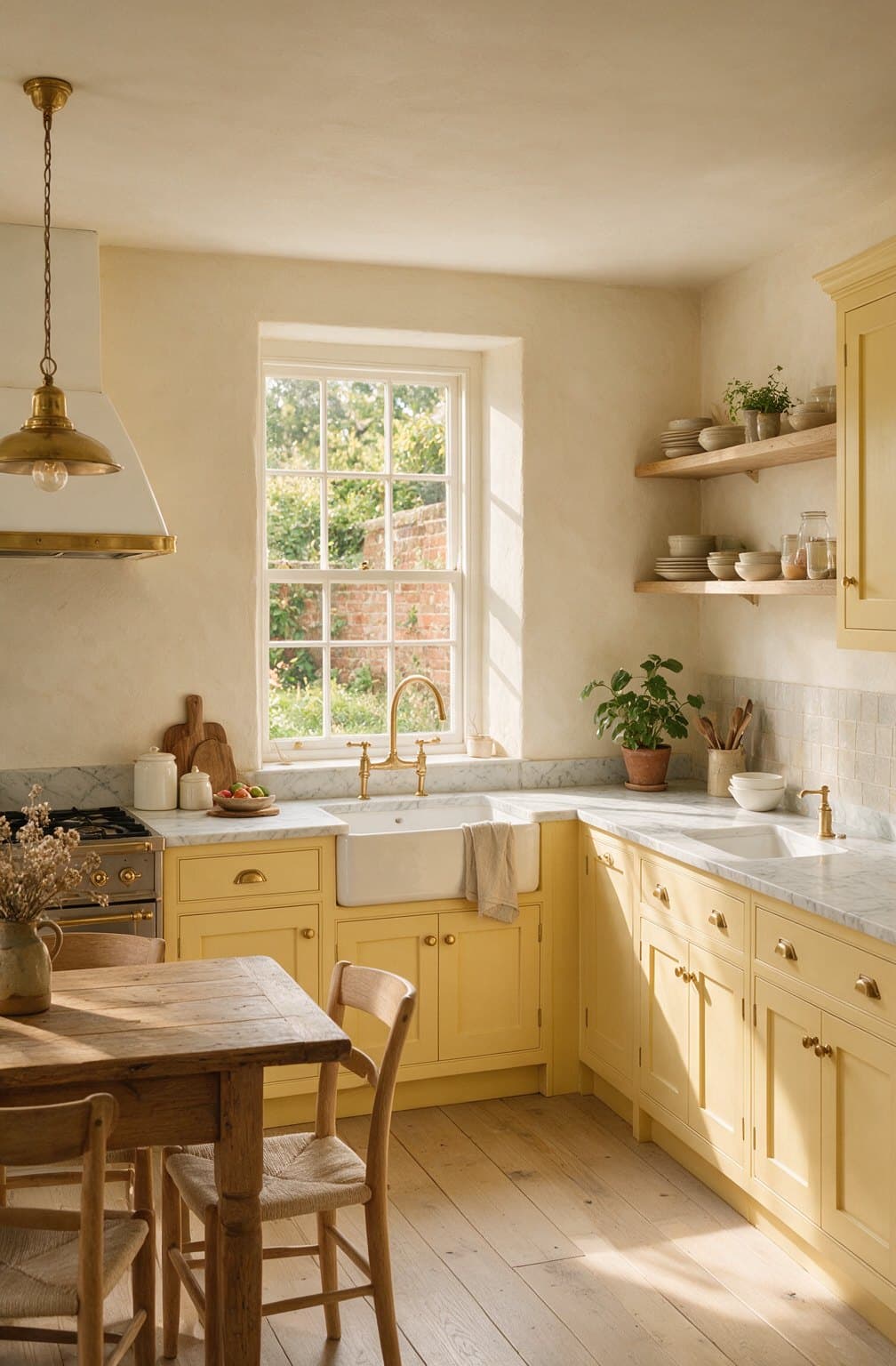
Farmhouse

The everyday one

Farmhouse

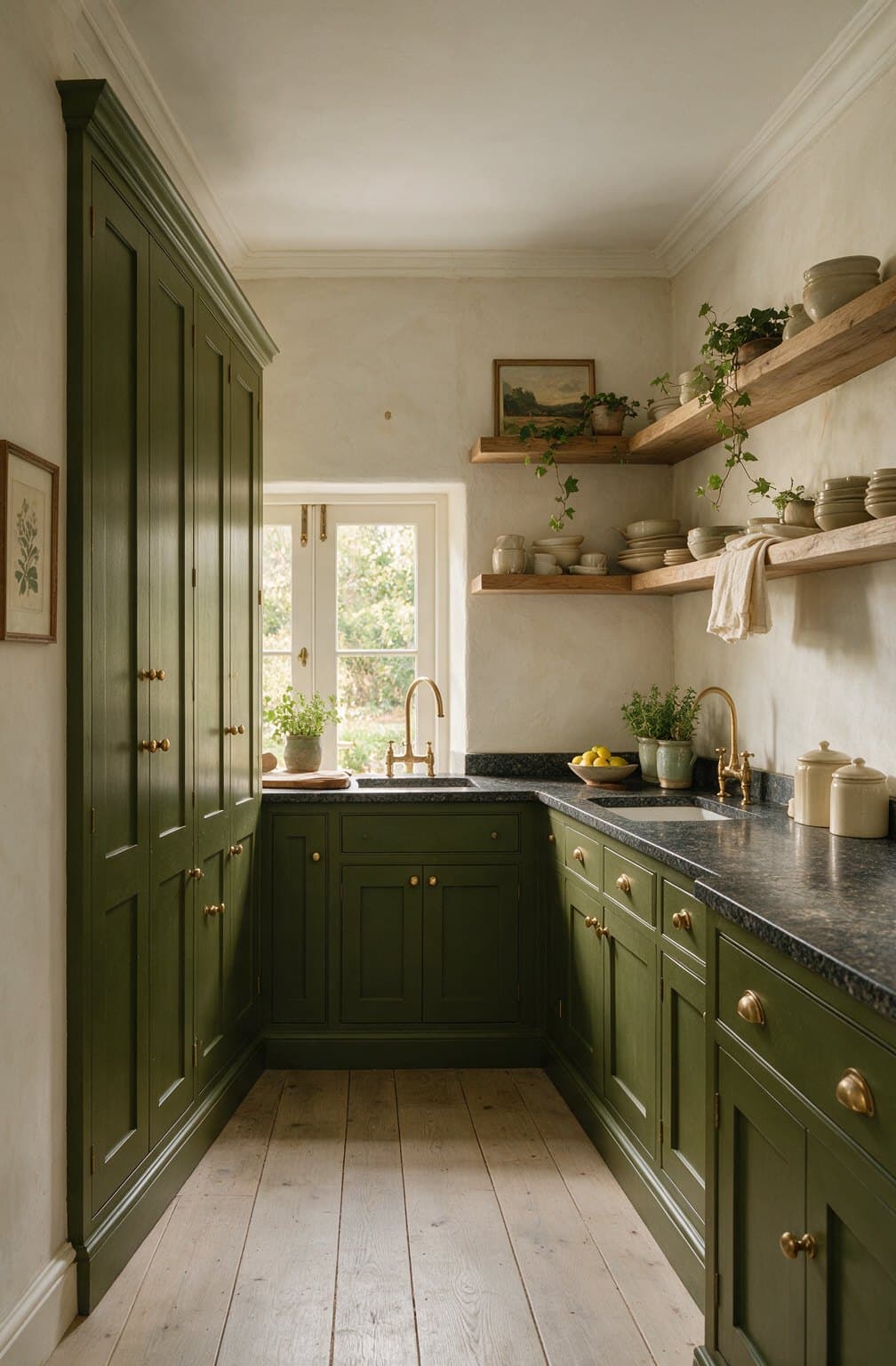
An applied frame with a recessed centre panel, sprayed by hand in any colour you like.

The door most people picture when they picture a proper kitchen. A five-piece frame in solid tulipwood with an MDF centre panel, so it stays flat and takes paint beautifully. It is the range we make most of, and it is the one that suits the most houses.

Doors from
£118
Best for
Almost any house. Victorian terraces, cottages, new builds alike.
Sourdough

The properly made one

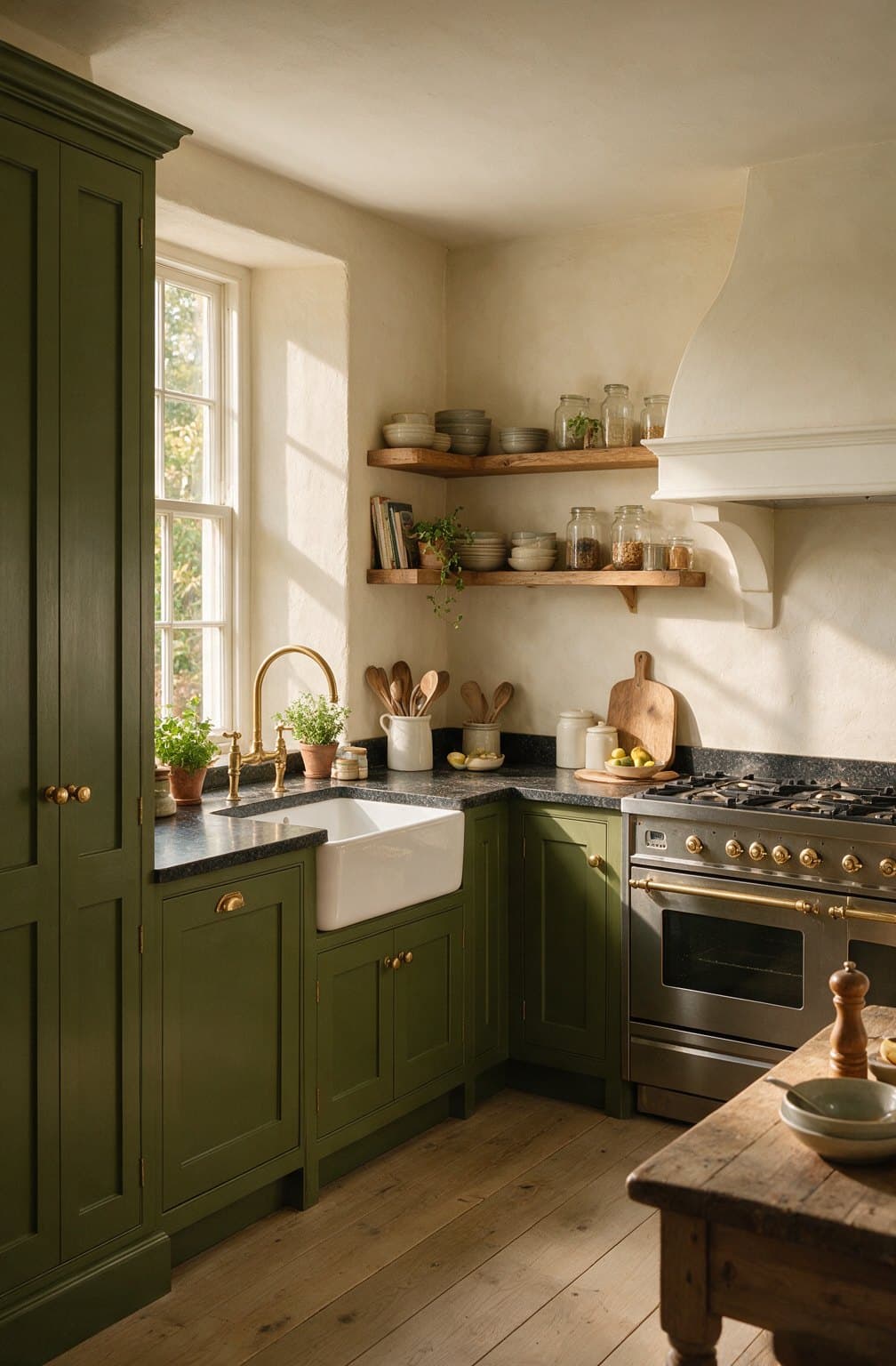
Sourdough

The door sits inside a solid timber face frame rather than on top of it.

The most exacting thing we make. Every door is hung inside a solid oak or tulipwood frame with a 3mm shadow gap all the way round, which means the carcass has to be dead square and the door has to be hand-fitted. It takes about three times as long. It also lasts about three times as long.

Doors from
£216
Best for
Period houses, and anyone who opens a door and looks at the edge.
Buttermilk

The quiet one

Buttermilk

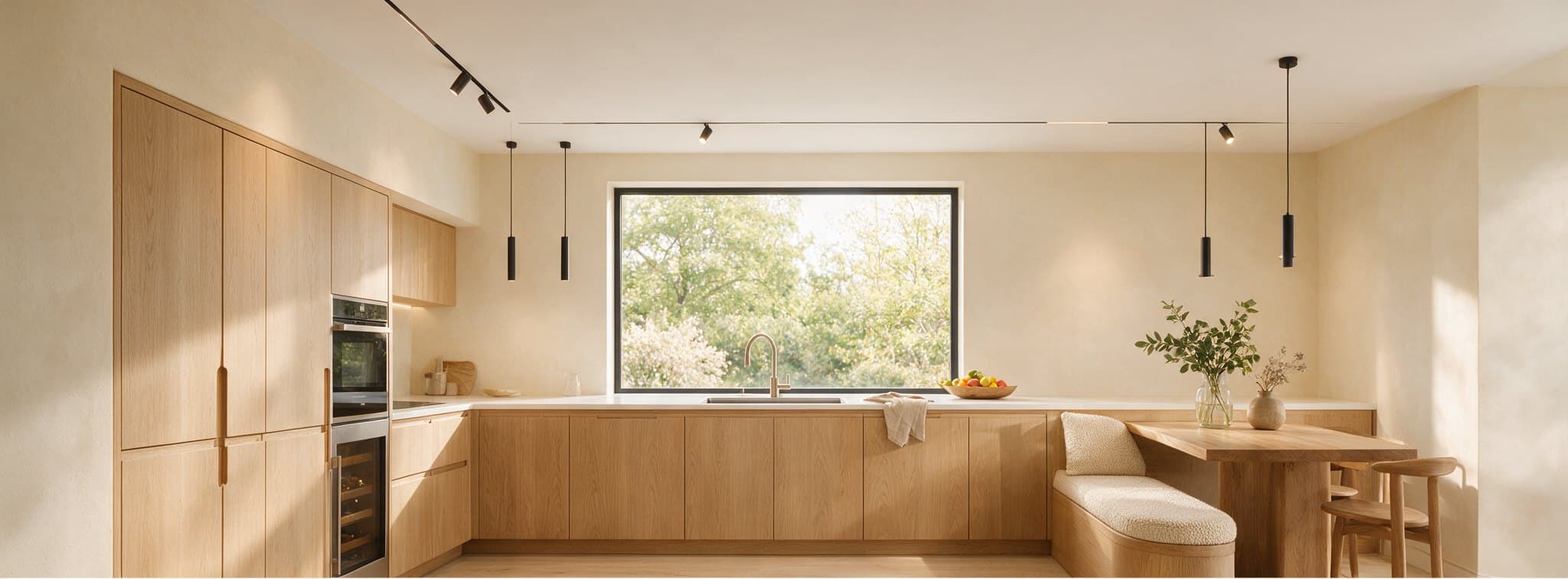
A flat, handleless front with a fine shadow gap, in paint or timber veneer.

Nothing on the face at all. A 22mm flat door, sprayed or veneered, with a machined J-pull along the top edge so there is no hardware to catch on. In oak it lets the grain run right across a whole run of cabinets uninterrupted.

Doors from
£96
Best for
Modern extensions, flats, and rooms that already have enough going on.
Rye

The tactile one

Rye

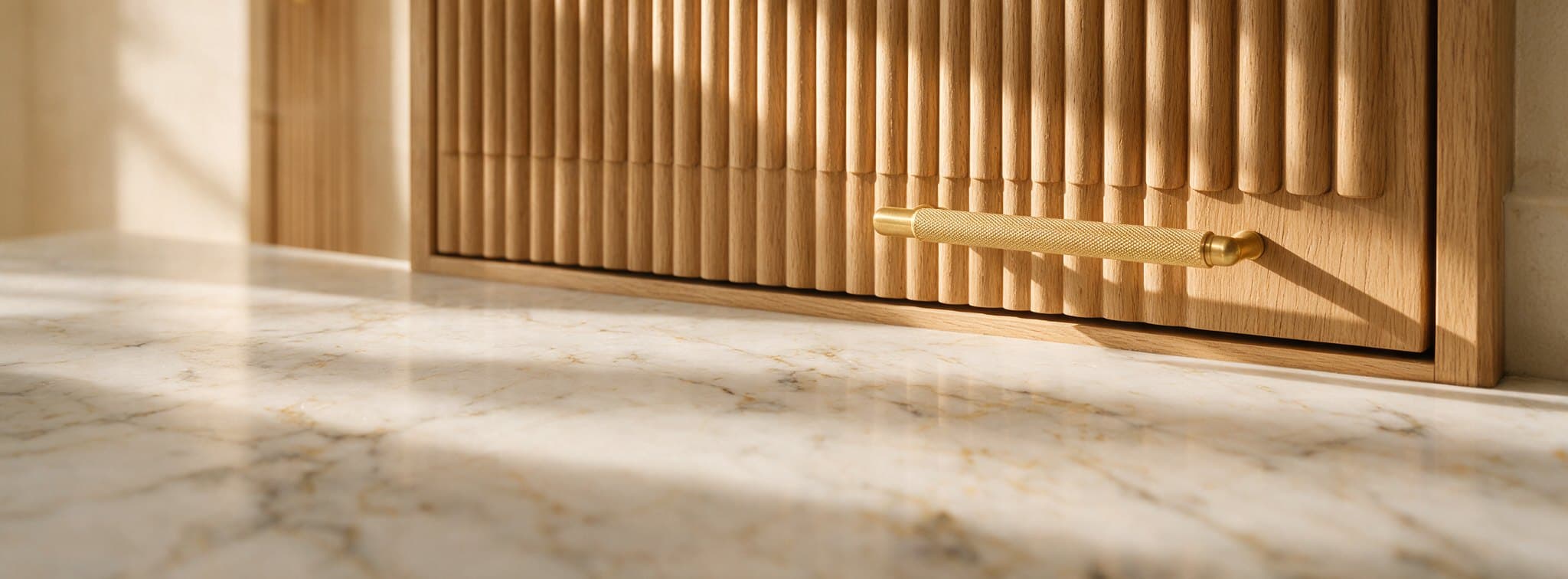
Solid wood half-round reeds run the full height of every door.

Each reed is machined from solid timber and glued up by hand across the face of the door, so the reeding runs true from one end of a run to the other. It catches raking light in a way a flat door never will, and it is the one people put their hand on.

Doors from
£184
Best for
Islands, drinks cabinets, and any face you see from across a room.
Crumb

The fine one

Crumb

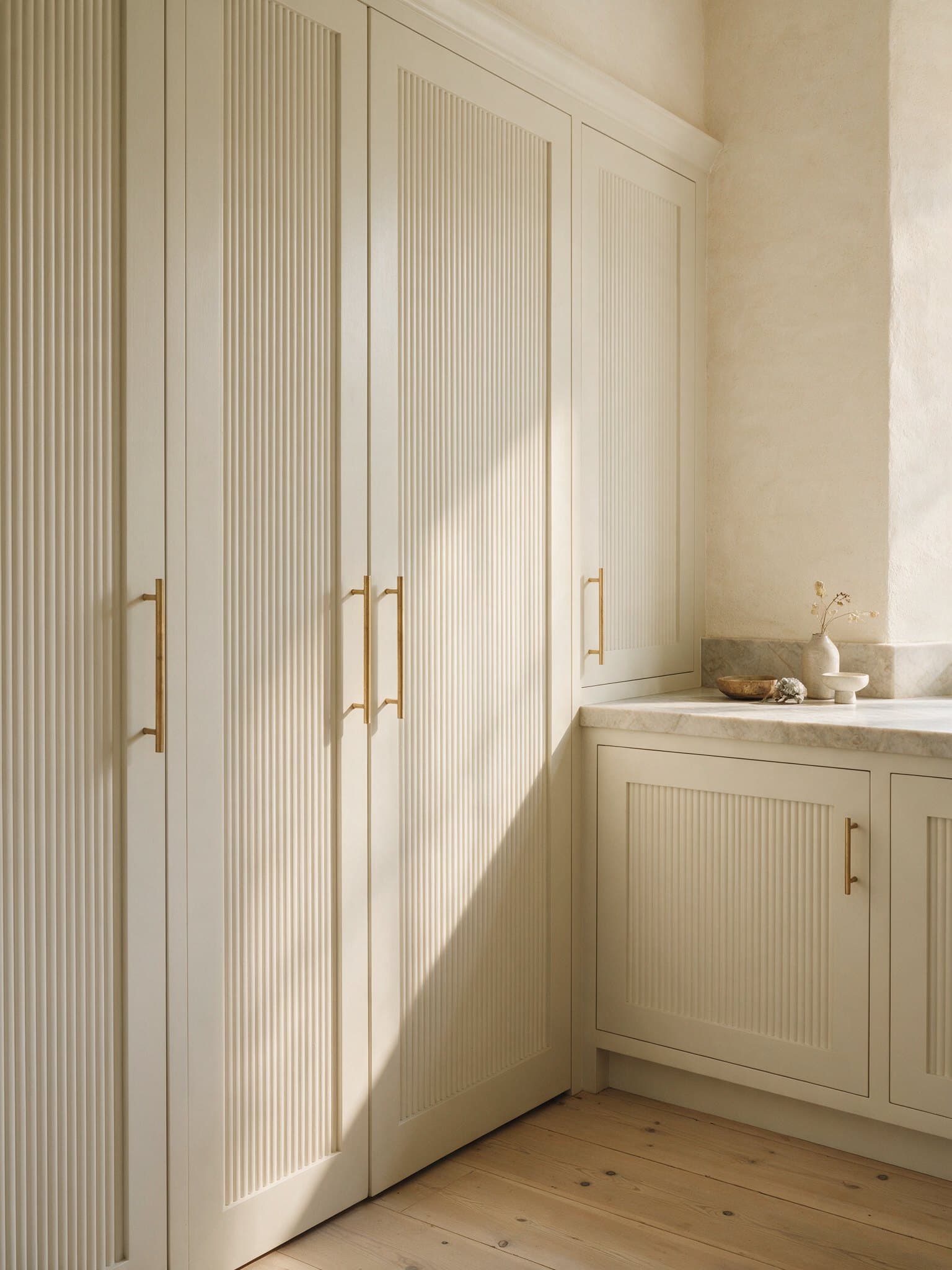
A tighter, squarer flute that reads as texture rather than pattern.

The same idea as Rye at half the pitch. From a distance it reads as a soft matt texture; up close you can see every flute. It works particularly well in a pale paint, where the shadow between the flutes does all the work.

Doors from
£162
Best for
Tall runs and larder doors, where a wide reed would look busy.
Brioche

The traditional one

Brioche

Two recessed panels per door with a wider mid rail.

A taller, more formal door with a mid rail splitting it into two panels. It suits high ceilings and rooms with existing cornice and skirting to answer to, and it is the range we specify most often in listed buildings.

Doors from
£148
Best for
Georgian and Victorian houses with generous ceiling heights.